
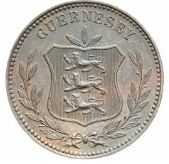
Why Fiefs Direct from the Crown Are Legally and Historically UniqueFeaturing the Fief de Thomas Blondel & Fief de L’EperonsI. 🔹 What Is a Crown-Alienated Fief?A fief held direct from the Crown—known in feudal law as a “tenant-in-chief” or “free lord” (Seigneur)—is a rare legal and historic entity in which the land, rights, and titles are granted or alienated directly by the sovereign (the Crown) to an individual lord. These fiefs are unique because they:
II. 🌍 The Channel Islands: Last Strongholds of Feudal LawUnlike mainland England—where feudalism was dismantled by the Tenures Abolition Act of 1660—the Channel Islands, especially Guernsey, preserved the Norman feudal system into modern times. The fiefs of Thomas Blondel and L’Eperons, located in the parishes of Torteval and St. Pierre du Bois, are Crown-recognized, legally recorded, and among the last functioning private fiefs in Europe. III. ⚖️ Legal and Ceremonial Powers of Blondel & L’EperonsThese historic seigneuries are far more than symbolic:
The fiefs include:
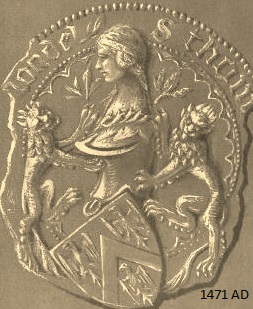
IV. 📜 Historical Deeds and Confirmations🕰️ Fief Thomas Blondel
🕰️ Fief L’Eperons
V. 🏛 Modern Legal StandingThese fiefs:
VI. ✅ Why Blondel and L’Eperons Are So Special
Final StatementThe Fiefs of Thomas Blondel and L’Eperons are two of the last suzerainty-free, Crown-registered private fiefs in existence. With a lineage dating back to the Norman Dukes and preserved through the Royal Court of Guernsey, they stand today not just as historical relics—but as living legal jurisdictions governed by Seigneur George Mentz. Their continuity of rights, privileges, and dignity make them unmatched in European legal and feudal history. The Sovereign Soil: The Chronological Evolution of Europe’s Free Lord SeigneursTo fully grasp the historical weight of Guernsey's direct private fiefs, one must abandon the modern concept of nobility as a social hierarchy of honorific titles. The true origin of European nobility was not defined by labels like Baron, Count, or Graf, but by unmediated, sovereign territorial jurisdiction. Long before these words became standard courtly ranks, the structural architecture of lordship was defined by a direct relationship to the ultimate ruler of the realm. The private fief seigneurs of Guernsey, holding their lands in capite (directly from the Sovereign), represent a pristine, surviving line of this ancient structural framework. This chronological analysis charts the legal evolution from the early Norman administrative districts to the sovereign-level imperial equivalents, contrasting them against the later, bureaucratic standardizations of the European peerage.
The Constitutional Contrast: Territorial Sovereignty vs. Courtly RankThe profound difference between the ancient, direct seigneurs and the later standardized peerages is best highlighted by comparing their structural legal architecture:
The Living Medieval LegacyWhile the French Revolution violently extinguished the continental seigneuries and the collapse of the Holy Roman Empire dissolved the Reichsfreiherren, the unique constitutional position of the Channel Islands protected its ancient Norman legal structures. Under The Feudal Dues (Guernsey) Law, 1980, the Royal Court of Guernsey continues to recognize and protect the conveyance of these historic private fiefs.
When an individual holds an ancient crown fief like Fief Blondel, they are not adopting a simulated, modern honorific. They are stepping directly into a surviving piece of the 1,000-year-old administrative fabric of Europe. They represent the original era of the free baron—a time when lordship was not a decorative rank handed out by a royal court, but an unmediated reality rooted directly in the sovereignty of the land and a direct allegiance to the Crown. |
Seigneur de la Fief of Blondel Lord Baron Mentz of Fief Blondel Geurnsey Crown Dependency Seigneur Fief of Blondel George Mentz Lord Baron of Fiefdom Blondel Freiherr of Fief Thomas Blondel Feudal Lord of Baronnie - Noble Fief Barony Friherre > Fief Direct from the Crown Seigneurs and Dames Travel Research Lord Paramount Feudal Barons The Seigneur Order Patron George Mentz Charter of Liberties Deed & Title Fief Blondel Islands Viking Kingdom Fief Worship Fiefs of the Islands ECS Extended Continental Shelf Styles and Dignities Territorial Waters Blondel Privy Seal Fief Bouvees of Fief Thomas Blondel Guernsey Court of Chief Pleas Fief Court Arms Motto Flower Fief de l'Eperon La Genouinne Kingdom of West Francia Fief DuQuemin Bouvée Phlipot Pain Bouvée Torquetil Bouvée Bourgeon Bailiwick of Ennerdale Channel Island History Fief Direct from the Crown A Funny Think Happened On the Way to the Fief Guernsey Bailiwick of Guernsey - Crown Dependency Confederation des Iles Anglo-Normandes Sovereignty Papal Bull Research Links Norse Normandy Order of the Genet Order of the Genet Order of the Star Est. 1022 Knights of theThistle of Bourbon Count of Anjou Fief Rights Blondel and King Richard Press Carnival Manorial Incidents Appointments of Seigneurs Store Portelet Beach Roquaine Bay Neustrasia Columbier Dovecote Fief Blondel Merchandise Fief Blondel Beaches Islands Foreshore Events Fiefs For Sale Sold Lords of Normandy Fief Coin Viscounts de Contentin Fief Blondel Map Feudal Guernsey Titles Board of Trustees The Feudal System Hereditaments Chancellor Flag & Arms Fief Videos Guernsey Castle Sark Contact Advowson Site Map Disclaimer Freiherr Livres de perchage Lord Baron Longford Income Tax Guernsey Valliscaulian Order Saint Benedict of the Celestines Society of Divine Compassion Dictionary Count of Mortain Seigneur de Saint-Sauveur Seigneur of Fief Ansquetil Top Success Books Datuk Seri George Mentz Order St. Benedict OSB Celestines Order of the Iron Crown Order of the White Falcon Colonel Mentz Order Red Eagle Order St. Louis Order Holy Ghost Order of Saint Anthony Order of the Black Swan Order of St Columban Order of the Iron Helmet Livonian Brothers of the Sword Fief treizième and Direct from Crown Valuation Fief Blondel Prince of Annaly Teffia
Feudal Lord of the Fief Blondel of the Nordic Channel Islands Guernsey Est.
1179
Feudalherr - Fief Blondel von der Nordischen Insel Guernsey Est.
1179 https://fiefseigneur.com/
New York Gazette - Magazine of Wall Street -
George Mentz -
George Mentz - Aspen Commission - Mentz Arms
Counselor George Mentz Esq. - Seigneur Feif BlondelBaron Annaly Baron Moyashel Grants to Delvin About Longford Styles and Dignities The Seigneur Court Barons Fiefs of the Islands Longford Map The Island Lords Market & Fair Fief Worship Channel Island History Fief Blondel Lord Baron Longford Fief Rights Fief Blondel Merchandise Events Blondel and King Richard Fief Coin Feudal Guernsey Titles The Feudal System Flag & Arms Castle Site Map Disclaimer Blondel Myth DictionaryMentz Scholarship Program 101 Million Donation - Order of the Genet Knighthood |
George Mentz Education -
Commissioner George Mentz
-
https://finance.yahoo.com/news/commissioner-george-mentz-clinches-influencer-180000705.html
-
George Mentz News -
George Mentz Net Worth - George Mentz Noble Tilte -
George Mentz -
George Mentz Trump Commissioner -
George Mentz Freiherren Count Baron -
George Mentz Global Economic Forum -
George Mentz Donates Millions